01 feb.
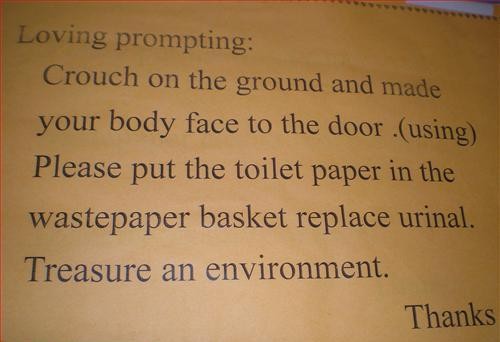
Învăţaţi engleza!
Ei ar trebui să fie primii 
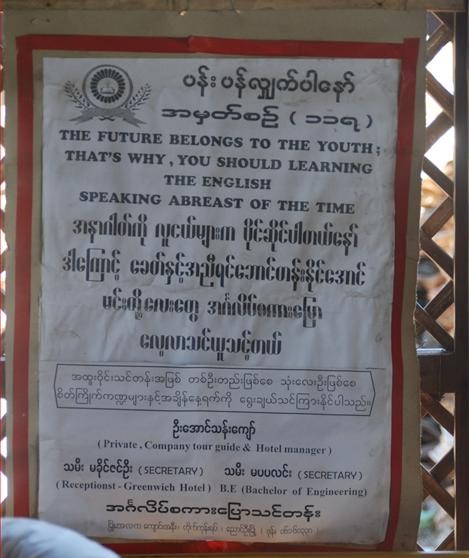
Şi nu e tocmai un moment bun să te umfle râsul (ca să nu zicem altfel) 
| The tame bird was in a cage, the free bird was in the forest. They met when the time came, it was a decree of fate. The free bird cries, „O my love, let us fly to wood.” The cage bird whispers, „Come hither, let us both live in the cage.” Says the free bird, „Among bars, where is there room to spread one’s wings?” „Alas,” cries the cage bird, „I should not know where to sit perched in the sky.” |
Pasărea îmblânzită se afla în colivie; pasărea sălbatică era în pădure. Soarta a făcut să se întâlnească. Pasărea sălbatică strigă: „Vino, iubito, să zburăm în codru.” Pasărea îmblânzită murmură: „Vino aici, să trăim alături în colivie.” „Printre aceste gratii unde aş avea loc să-mi întind aripile?” spuse pasărea liberă. „Vai! strigă prizoniera. Nu ştiu unde m-aş putea aşeza pe bolta cerească.” |
| The free bird cries, „My darling, sing the songs of the woodlands.” The cage bird says, „Sit by my side, I’ll teach you the speech of the learned.” The forest bird cries, „No, ah no! songs can never be taught.” The cage bird says, „Alas for me, I know not the songs of the woodlands.” |
„Draga mea, vino să îngânăm melodiile pădurii.” „Rămâi lângă mine! Te voi învăţa o muzică savantă.” Pasărea pădurii răspunse: „Nu, nu! Cântecele nu se pot învăţa niciodată.” Pasărea din colivie grăi: „Vai, eu nu cunosc cântecele pădurii.” |
| Their love is intense with longing, but they never can fly wing to wing. Through the bars of the cage they look, and vain is their wish to know each other. They flutter their wings in yearning, and sing, „Come closer, my love!” The free bird cries, „It cannot be, I fear the closed doors of the cage.” The cage bird whispers, „Alas, my wings are powerless and dead.” |
Le este sete de iubire, dar niciodată nu vor putea zbura aripă lângă aripă. Prin gratiile coliviei ele se privesc, dar zadarnică li-i dorinţa de a se cunoaşte. Ele bat din aripi şi cântă: „Vino mai aproape, dragostea mea!” Pasărea liberă strigă: „Nu pot, mi-e teamă de uşa închisă a coliviei tale.” „Vai, spuse captiva, aripile-mi sunt neputincioase şi moarte. |
| Rabindranath Tagore | traducere de George Popa |
| The poet in his tree of hell will see life steadily and see it well. The world is round. It moves in circles. The poet in his vision tree imparts immaculate necessity to murder, ignorance and lust. |
Poetul în copacul său infernal întrezări-va viaţa mereu şi foarte bine. Lumea e rotundă. Se roteşte. Poetul în copacul viziunii sale deosebeşte necesitatea imaculată de omor, ignoranţă şi desfrâu. |
| The world is round. It moves in circles. Poetry, the poet’s curse, will look, for better or for worse, like a simple monk in meditation cloaked in apparent deprivation: in its ambiguous nakedness glows the raiment of its otherness. |
Lumea e rotundă. se roteşte. Poezia, blestemul poetului, va avea grijă de mai bine ori de mai rău, ca un simplu călugăr în timpul rugii, înveşmântat în privaţiuni aparente: în ambiguităţile ei despuiate ard straiele multiplelor ei deosebiri. |
| The world is round. It moves in circles. With laughter on his haunted face, a madman captive in a leaf’s embrace, the poet wildly shakes his tree… |
Lumea e rotundă. Se roteşte. Cu un surâs pe faţa lui schimonosită un nebun captiv îmbrăţişând o frunză, poetul îşi scutură cu furie copacul… |
| The world is round. It moves in circles. | Lumea e rotundă. Se roteşte. |
| Phyllis Webb | traducere de Virgil Teodorescu, Petronela Negoşanu |
Au apărut versiunile 2010.0 ale dicţionarelor software Lexica. Acum sunt incluse 35.000 de sensuri în plus faţă de versiunea anterioară, iar partea de conjugări a crescut extraordinar de mult (peste dublu, până la 5.505.000 de conjugări), în fiecare dicţionar bilingv. Au fost realizate şi câteva ajustări şi corecţii la conţinutul existent.
Toţi utilizatorii care au varianta Lexica Pro 2009.0, beneficiază de actualizare gratuită la Lexica Pro 2010.0.
Mai multe detalii sunt disponibile la www.lexica.ro.
| O how much more doth beauty beauteous seem By that sweet ornament which truth doth give! The rose looks fair, but fairer we it deem For that sweet odour which doth in it live. |
O, mai frumoasă este frumuseţea, când adevărul o împodobeşte frumoasă-i roza însă nu svelteţea ci dulcele parfum o nemureşte. |
| The canker blooms have full as deep a dye As the perfumed tincture of the roses, Hang on such thorns and play as wantonly When summer’s breath their masked buds discloses; |
Culorile ce zugrăvesc măceşul şi trandafirului i-aduc belşuguri aceiaşi ghimpi, rodiţi, şi-acelaşi, vrejul, înalţă în suflarea verii muguri. |
| But for their virtue only is their show They live unwooed and unrespected fade, Die to themselves. Sweet roses do not so; Of their sweet deaths are sweetest odours made: |
Tot farmecul ce-l are-i dat privirii, puirea lui e neluată-n seamă, moare fără-a trăi dar trandafirii murind, ei în miresme se destramă. |
| And so of you, beauteous and lovely youth, When that shall fade, by verse distils your truth. |
Ani tineri, versul în cernite zile credinţa voastră-n vers o s-o distile! |
| William Shakespeare | traducere de Gheorghe Tomozei |
© 2026 blog.ro-en.ro